The Secret to Ultra-Creamy Hummus: Make the Best Homemade Dip
Few culinary delights capture the heart and palate quite like hummus. This smooth, luxurious dip, a foundational staple of Levantine cuisine, has transcended its origins to become a global phenomenon. But while store-bought versions abound, the truly transcendent experience of hummus lies in a homemade batch – one that's lusciously creamy, impossibly light, and bursting with fresh, balanced flavors. If you've ever dreamt of recreating that perfect, velvety texture you find in the finest Middle Eastern restaurants, you're in the right place. We're about to unlock the secrets to making the best homemade hummus, a dip so good it will redefine your expectations.
What Makes Hummus Truly Great? Beyond Just Ingredients
At its core,
hummus is a simple blend of cooked chickpeas, tahini, lemon juice, garlic, and salt. Yet, the magic happens in the precise execution and understanding of how these humble ingredients interact. The ideal hummus is more than just a purée; it's an emulsion, a delicate balance of fat, acid, and starchy solids. It should be airy yet substantial, with a creamy mouthfeel that melts on the tongue, followed by the nutty depth of tahini, the bright tang of lemon, and a subtle, mellow whisper of garlic. There should be no grit, no harshness, only an irresistible smoothness that begs for another scoop.
Tracing its roots back to ancient practices of chickpea cultivation in Southwest Asia and documented in 13th-century Egyptian texts, hummus has a rich history that underscores its significance. As a cultural touchstone in countries like Lebanon, Syria, Jordan, and Palestine, it's not merely food but a symbol of heritage, as evidenced by the spirited "hummus wars" of recent decades that highlight both shared traditions and nationalistic pride. Understanding this legacy only deepens the appreciation for mastering its preparation. To dive deeper into these fascinating cultural dynamics, explore
Hummus Wars: Cultural Ownership and the Rise of a Global Dip. But for now, let's focus on the alchemy of creating your own masterpiece.
The Core Components: A Symphony of Simple Ingredients
Achieving that ultra-creamy consistency starts with understanding the role of each ingredient.
1. The Chickpeas: The Foundation of Smoothness
Your choice of chickpeas is paramount. While canned chickpeas can work in a pinch, for the *best* results, start with dried chickpeas.
*
Soaking: Soak dried chickpeas in plenty of water for 12-24 hours. This rehydrates them and helps soften their skins.
*
The Baking Soda Secret: This is arguably the most crucial step. After soaking, drain and rinse the chickpeas. Place them in a pot with fresh water and a generous pinch (about 1 teaspoon for 1 cup dried chickpeas) of baking soda. The alkalinity of the baking soda helps to break down the pectin in the chickpea skins, allowing them to become incredibly tender – so soft they practically disintegrate when cooked.
*
Overcooking is Key: Simmer the chickpeas for 1.5 to 2 hours, or even longer, until they are *unbelievably* soft. They should feel mushy, easily crushed between your fingers, and some skins may even float off. This extreme tenderness is the absolute foundation of a smooth hummus. Don't worry about overcooking; it's precisely what we want here.
*
Aquafaba: The Golden Liquid: *Do not discard the cooking liquid!* This starchy, protein-rich water (aquafaba) is your secret weapon for achieving the perfect emulsification and texture without diluting the flavor.
What about peeling chickpeas? Traditionally, some methods suggest peeling the chickpeas for maximum smoothness. However, with proper soaking and the baking soda trick, you can achieve an incredibly smooth hummus without the tedious task of peeling each individual chickpea. Focus on *overcooking* them instead.
2. Tahini: The Soul of Hummus
Tahini, a paste made from ground sesame seeds, contributes not only a rich, nutty flavor but also crucial emulsifying fats.
*
Quality Matters: Invest in a good quality tahini. Look for brands that are light in color, smooth, and runny at room temperature. A thick, pasty tahini will result in a thick, pasty hummus.
*
Stir Well: Like natural peanut butter, tahini often separates. Stir it thoroughly before using to incorporate the oil back into the paste.
3. Fresh Lemon Juice: The Bright Counterpoint
Always use freshly squeezed lemon juice. Its bright acidity cuts through the richness of the tahini, balances the flavors, and also aids in emulsification. Avoid bottled lemon juice; its flavor is often muted and artificial.
4. Garlic and Salt: The Aromatic Backbone
*
Mellow Garlic: Raw garlic can be potent. For a more mellow flavor, blend the minced garlic with the lemon juice and tahini first, allowing it to "cook" slightly in the acid. You can also opt for roasted garlic for a sweeter, milder profile.
*
Season to Taste: Use a good quality salt (like sea salt) and adjust to your preference.
The Secret Sauce: Mastering the Technique for Unparalleled Creaminess
Once you have your perfectly cooked chickpeas and quality ingredients, the blending technique makes all the difference.
1.
The Tahini-Lemon Emulsion First: In your food processor, combine the tahini, freshly squeezed lemon juice, minced garlic, and a pinch of salt. Process this mixture for 1-2 minutes until it becomes light, fluffy, and almost whipped. It will lighten in color and thicken slightly. This initial step is vital for creating a stable base and incorporating air, setting the stage for an ethereal texture.
2.
Add the Chickpeas: Drain your *very soft* cooked chickpeas, reserving the aquafaba. Add the drained chickpeas to the food processor with the tahini mixture. Process continuously for 3-5 minutes. Don't skimp on this step! The longer you process, the smoother your hummus will become. Scrape down the sides of the bowl occasionally to ensure everything is fully incorporated.
3.
Gradual Aquafaba Integration: While the food processor is running, slowly stream in the reserved aquafaba, one tablespoon at a time. The aquafaba's proteins and saponins act as an emulsifier, binding the water and oil phases of the tahini, preventing separation, and creating that signature light, airy, and creamy consistency. Continue adding aquafaba until your hummus reaches your desired luxurious smoothness. You might use anywhere from ¼ to ¾ cup, depending on how thin or thick you prefer it.
4.
The Ice Water Trick (Optional, but Recommended): For an extra boost of fluffiness and stability, some professional chefs add a few ice cubes or a tablespoon or two of ice-cold water during the final minutes of blending. The cold helps to firm up the fats and allows for even more air incorporation, resulting in an incredibly light texture.
5.
Taste and Adjust: Once blended to perfection, taste your hummus. Does it need more salt? A touch more lemon juice? Don't be afraid to adjust until it sings.
Troubleshooting Common Hummus Hurdles
*
Too Thick/Thin: Easily remedied by adding more aquafaba (for thinner) or a few more chickpeas (for thicker).
*
Gritty Texture: This almost always means your chickpeas weren't cooked soft enough, or you didn't blend it long enough. Back to the food processor!
*
Harsh Garlic Flavor: Reduce the amount of raw garlic, or try blending it with the lemon juice and tahini for a longer period at the start. Roasted garlic is another excellent option for a milder taste.
Enjoying Your Homemade Masterpiece
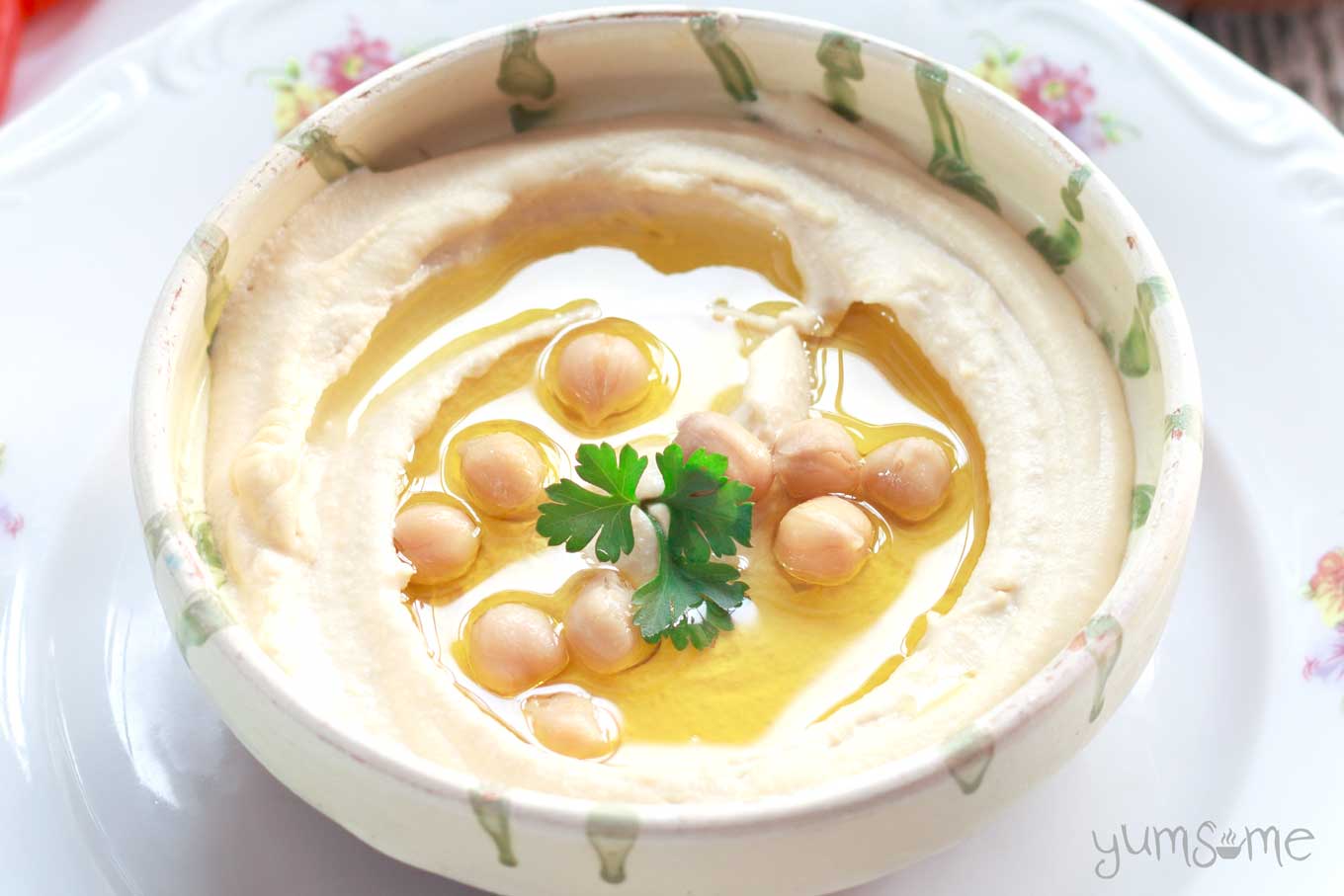
Once your hummus is perfectly creamy, transfer it to a serving bowl. Create a beautiful swirl on top with the back of a spoon, drizzle generously with good quality extra virgin olive oil, and garnish with a sprinkle of paprika, sumac, or fresh chopped parsley. Serve it immediately with warm pita bread, fresh vegetables, or as a spread on sandwiches and wraps.
Hummus is not only delicious but also incredibly nutritious, packed with protein, fiber, and healthy fats from the chickpeas and tahini. It's a perishable food, so store any leftovers in an airtight container in the refrigerator for up to a week. Remember not to leave it at room temperature for more than two hours.
Conclusion
Making ultra-creamy homemade hummus is not just about following a recipe; it's about understanding the science and art behind each ingredient and technique. By embracing the simple secrets of overcooking your chickpeas with baking soda, building a strong tahini-lemon emulsion, and gradually incorporating aquafaba, you'll transform humble ingredients into a dip that rivals the best you've ever tasted. So, ditch the store-bought tubs and embark on your own journey to hummus perfection. Your taste buds, and your guests, will thank you.