Hummus Unpacked: Global Popularity, Nutrition, and Authenticity Debates
From ancient Levantine tables to modern global supermarkets, hummus has transcended its humble origins to become a culinary sensation. This creamy, savory dip, traditionally crafted from puréed chickpeas, tahini, lemon juice, and garlic, is more than just a delicious spread; it's a cultural touchstone, a nutritional powerhouse, and the subject of fascinating debates surrounding its authenticity and ownership. Its meteoric rise in popularity reflects a growing global appreciation for wholesome, plant-based foods, even as its traditional roots are continually celebrated and, at times, fiercely defended.
The Ancient Roots and Levantine Heart of Hummus
The story of
hummus is as rich and complex as its flavor profile, tracing back to the sun-drenched lands of the Levant. While the exact moment of its invention is lost to time, historical evidence points to medieval Arabic culinary traditions as the cradle of the modern dish. The earliest documented recipes featuring the distinct combination of tahini and chickpeas, which forms the essence of hummus, appear in 13th-century Egyptian texts. This deep lineage showcases an evolution from broader ancient practices involving chickpea domestication in Southwest Asia millennia earlier, cementing its status as a food with profound historical significance.
At its core,
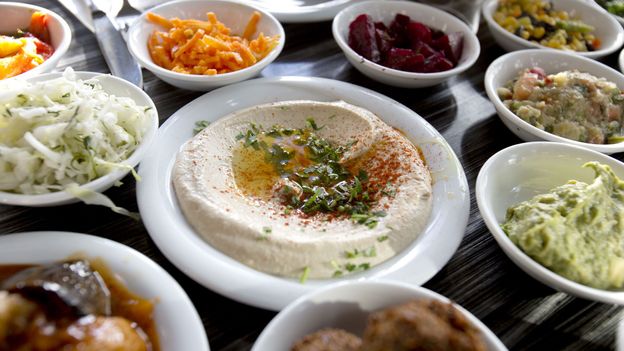
hummus is a beautifully simple yet profoundly flavorful creation. The star ingredient, chickpeas (garbanzo beans), provides a creamy base and earthy notes. This is then masterfully blended with tahini, a paste made from ground sesame seeds, which imparts a nutty depth and contributes significantly to the dip's characteristic smoothness and richness. Freshly squeezed lemon juice introduces a vital zesty brightness, cutting through the richness and acting as a natural preservative. Finally, pungent raw garlic and a pinch of salt complete the symphony of flavors, creating a harmonious and addictive spread. Often, a drizzle of olive oil and a sprinkle of cumin serve as the perfect finishing touches, adding aroma and visual appeal. This traditional composition, honed over centuries, is a staple across Arab cuisines in countries like Lebanon, Syria, Jordan, and Palestine, embodying a shared culinary heritage.
Unpacking Hummus: Nutritional Powerhouse and Health Benefits
Beyond its irresistible taste,
hummus stands out as an exceptional nutritional powerhouse, contributing significantly to a balanced diet. Its popularity has soared partly due to a global shift towards health-conscious eating, and hummus fits perfectly into this paradigm, especially for those seeking plant-based protein and fiber-rich options.
The primary ingredients in hummus are a treasure trove of vital nutrients:
- Protein: Chickpeas are an excellent source of plant-based protein, making hummus a fantastic food for vegetarians, vegans, and anyone looking to increase their protein intake. Protein is essential for muscle repair, growth, and satiety, helping you feel fuller for longer.
- Fiber: Rich in dietary fiber, primarily from the chickpeas, hummus promotes digestive health, aids in regulating blood sugar levels, and can contribute to healthy cholesterol management. The fiber content also helps in maintaining a healthy weight by enhancing feelings of fullness.
- Healthy Fats: Tahini, made from sesame seeds, and the often-added olive oil provide monounsaturated and polyunsaturated fats. These "good fats" are crucial for heart health, reducing inflammation, and aiding in the absorption of fat-soluble vitamins.
- Vitamins and Minerals: Hummus also contains a good profile of essential micronutrients, including folate, iron, magnesium, phosphorus, and B vitamins, all contributing to overall well-being and energy production.
This impressive nutritional profile makes
hummus an ideal choice for sustained energy, gut health, and as a versatile component of a healthy lifestyle. Its balanced macronutrient composition helps to prevent blood sugar spikes, making it a smart snack option.
The Art of Authenticity: From Homemade Excellence to Global Variants
The journey of
hummus from a Levantine staple to a global phenomenon has not been without its complexities, particularly concerning its authenticity and cultural ownership. From 1958 onward, Israel began industrial production of hummus, transforming it into a widely commercial export. This commercialization, while expanding its reach, also ignited fierce "hummus wars"—culinary disputes, including a high-profile 2008 trademark challenge by Lebanon against Israeli branding and reciprocal giant hummus-making contests. These events underscore the deep cultural significance of the dish and highlight the tensions between shared Levantine heritage and modern nationalistic assertions of culinary invention. For a deeper dive into these fascinating cultural debates, explore our article on
Hummus Wars: Cultural Ownership and the Rise of a Global Dip.
Today, while the global market for hummus is valued in billions, authenticity debates persist, especially concerning mass-produced variants that often diverge significantly from traditional methods. Many commercial versions sacrifice quality and traditional ingredients for shelf stability and cost-effectiveness, leading to a product that, while convenient, may lack the soul and superior texture of truly authentic
hummus.
For those seeking the pinnacle of flavor and texture, crafting
hummus at home is an incredibly rewarding endeavor. The internet, much like a culinary oracle, is rife with tips and tricks for achieving that "lusciously creamy, yet somehow light and fluffy" consistency. The secret lies in a few key steps:
- Chickpea Preparation: Start with dried chickpeas, soaking them for 12 to 48 hours to soften the skins and initiate germination, which improves digestibility and texture. Boiling them until extremely tender, often with a pinch of baking soda, is crucial for an ultra-smooth result. Don't worry about peeling them; thorough cooking and good blending are usually sufficient.
- The Power of Tahini: Use high-quality tahini. Its rich, nutty flavor and ability to emulsify are essential for the characteristic creaminess.
- Fresh Lemon and Garlic: Always use freshly squeezed lemon juice and raw garlic. These fresh elements provide a vibrant, balanced flavor that processed alternatives simply cannot replicate.
- Aquafaba is Key: Retain the chickpea cooking liquid (aquafaba). Gradually adding this during blending helps achieve a stable, airy texture by promoting emulsification and preventing a grainy or separated paste.
- Blending Technique: A powerful food processor or blender is vital. Blend until incredibly smooth, scraping down the sides often. The mechanical process breaks down chickpea fibers and incorporates air, resulting in that coveted light texture. For a masterclass on achieving this perfect texture, check out The Secret to Ultra-Creamy Hummus: Make the Best Homemade Dip.
Avoiding common pitfalls like harsh, raw garlic overpowering the dish or a dense, gritty texture comes down to these meticulous steps. Homemade
hummus, unlike its mass-produced counterparts, is a perishable food and should be stored in the refrigerator and consumed within a few days, not left at room temperature for more than an hour or two.
Beyond the Bowl: Creative Ways to Enjoy Hummus
While the traditional way to enjoy
hummus involves scooping it up with warm pita bread or fresh vegetable sticks, its versatility extends far beyond a simple dip. Its creamy texture and balanced flavor make it an incredibly adaptable ingredient in a myriad of culinary contexts.
Consider these creative ways to incorporate more hummus into your diet:
- Sandwich and Wrap Spread: Replace mayonnaise or other condiments with a generous spread of hummus for a healthier, more flavorful option. It adds moisture and richness to any sandwich, wrap, or even burger.
- Salad Dressing Base: Thin out hummus with a little extra lemon juice, water, or olive oil to create a creamy, tangy salad dressing.
- Accompaniment to Meals: Serve a dollop of hummus alongside grilled meats, falafel, roasted vegetables, or grain bowls for added protein and flavor. It’s also excellent as a base layer for loaded toasts or bruschetta.
- Soup Topping: A swirl of hummus on top of a hearty vegetable or lentil soup adds a luxurious creaminess and depth.
- Breakfast Boost: Pair hummus with scrambled eggs, avocado, or a sprinkle of za'atar on toast for a Mediterranean-inspired breakfast.
The finishing touches can elevate your hummus experience even further. A swirl of good olive oil, a sprinkle of vibrant paprika, sumac, toasted pine nuts, or fresh herbs like parsley or cilantro can transform a simple bowl of hummus into a work of art, appealing to both the palate and the eye.
In essence,
hummus is much more than just a dip; it's a testament to ancient culinary wisdom, a symbol of cultural identity, and a testament to the power of simple, wholesome ingredients. Its global popularity continues to grow, fueled by its incredible taste, impressive nutritional profile, and undeniable versatility. Whether you prefer to meticulously prepare it from scratch, explore authentic regional variations, or simply grab a convenient store-bought tub, hummus offers a delightful and nourishing experience that continues to captivate palates worldwide.